I'm a photographer and digital media artist whose practice examines the politics of image-making in contested geographies, particularly Israel/Palestine. I work across 3D modeling, mapping, drone photography, and archival research to examine photography's entanglements with colonial and territorial politics.
I'm an Assistant Professor of Photography at Parsons School of Design, The New School.
Selected
- An Abridged Draft for a Letter to Leila Khaled
- Anti Mapping
- On the Optics of Mount Scopus
- Perpetual Motion of the Fourth Kind
- Gas, Stun, Smoke
- How to Photograph in the Land of Israel
- From the Shoe Box
Interactive
Other Works
- If the Fire within Our Eyes
- Duplicating Palestine
- Jerusalem Military Remains
- The First Trail
- Landscape in Continuum
- The Gardener's Post
- Mabat 2000
- The Jefferson Grid
- Bezalel 1
- Point Cloud Lifta
- Stereoscopic Reconstructions
Teaching Tools
The First Trail
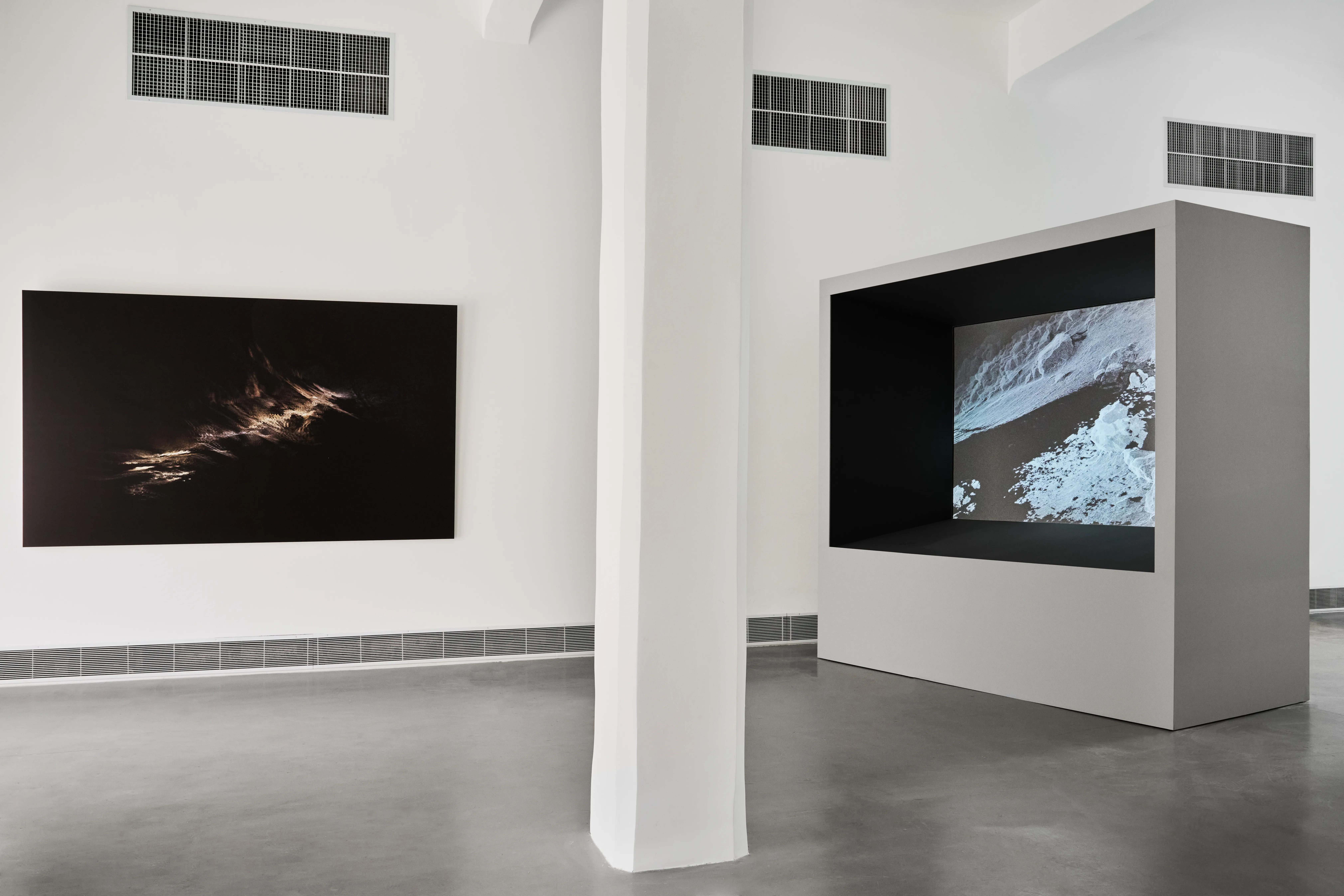
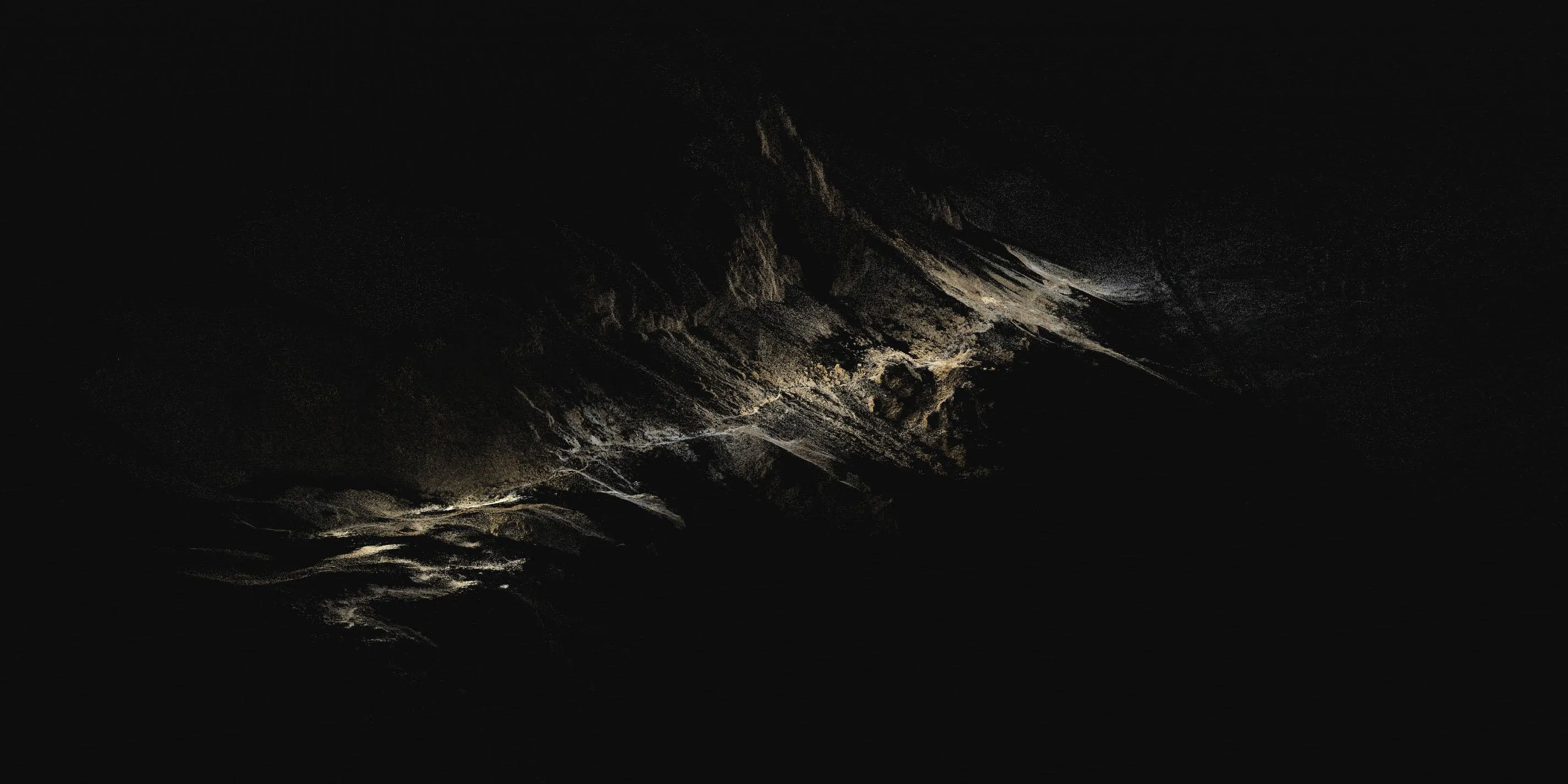
Ma’ale Feshkha is the first marked trail made by Jewish Zionists in The Land of Israel / Palestine, sitting just above the Dead Sea. It was marked over a week in November 1947 by a group of paramilitary members, and stopped short just before completion by the break of the 1947 civil war. This land grabbing effort eventually failed, as the place fell under the control of The Kingdom of Jordan. Today, the restored trail is under Israeli control (ever since 1967) and since its first marking it’s been a witness to drastic changes in landform, sea levels and infrastructure. This work documents the changes in the trail’s physical form over a single year, using photogrammetry scanning, based on images taken while walking the trail back and forth on different occasions.
I’m a photographer and digital media artist whose research-driven practice investigates the politics of image-making in contested geographies, particularly in Israel/Palestine. Working across 3D modeling, mapping, aerial photography, archival research, and computational media, I create augmented, site-specific representations that critically examine how photography not only contributed to the Zionist colonial projects but was fundamentally shaped by the tasks it lent itself to.
In this article, Noam Gal pays tribute to Allan Sekula’s essay “The Body and the Archive” (1986), analyzing the creative practice of two contemporary camera artists, Tomoko Sawada and Shabtai Pinchevsky, and the various social concerns their works evoke.
Can a Self-Driving Car Navigate an Apatheid Road will be screened at the Artport Artist Film Festival in Tel Aviv and Jerusalem.
The First Trail will be exhibited as part of Counter Landscape, curated by Karmit Galili, at Magasin III in Jaffa.