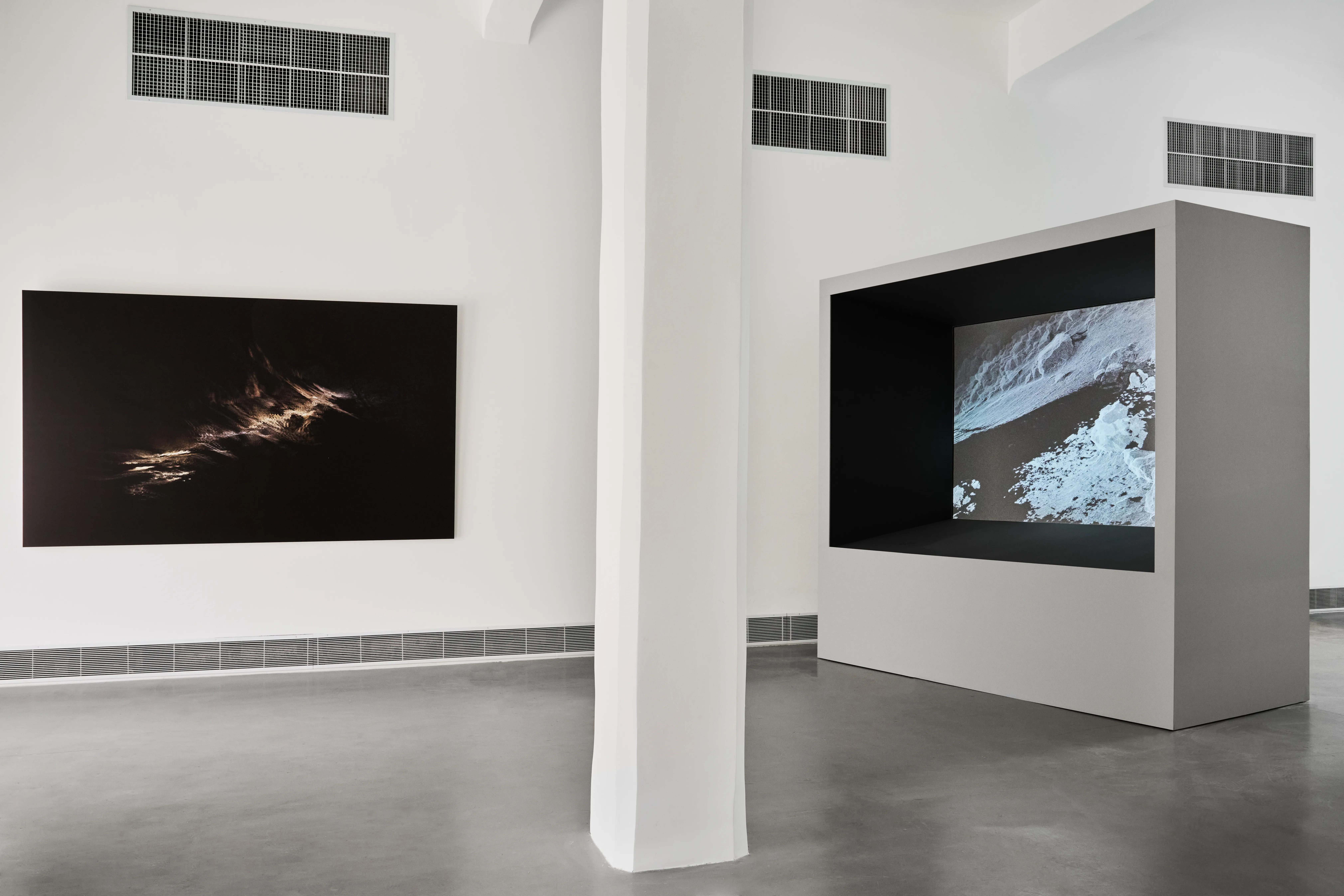
I'm a photographer and digital media artist whose practice examines the politics of image-making in contested geographies, particularly Israel/Palestine. I work across 3D modeling, mapping, drone photography, and archival research to examine photography's entanglements with colonial and territorial politics.
I'm an Assistant Professor of Photography at Parsons School of Design, The New School.
Selected
- Anti Mapping
- On the Optics of Mount Scopus
- Perpetual Motion of the Fourth Kind
- Gas, Stun, Smoke
- How to Photograph in the Land of Israel
- From the Shoe Box
Interactive
Other Works
- If the Fire within Our Eyes
- Duplicating Palestine
- Jerusalem Military Remains
- The First Trail
- Landscape in Continuum
- The Gardener's Post
- Mabat 2000
- The Jefferson Grid
- Bezalel 1
- Point Cloud Lifta
- Stereoscopic Reconstructions
Teaching Tools
Can a Self-Driving Car Navigate an Apartheid Road?
As the task of geographic Navigation been delegated to apps and algorithms, the term Navigation itself has shifted to describe human conduct in the face of institutional hostility. Navigation has become a form of survivalist intelligence, employing maneuvering, negotiation, evasion, circumvention, and more when moving through abstract environments informed by social and political conditions. The strategies of movement, and the abstract terrain through which humans move, are incredibly positional—as they are shaped by and respond to each individual’s identity and personal experiences.
In the extreme political settings of the Israeli apartheid road system in Palestine, geography and metaphor collide — to the point that one simply cannot begin to move without self-identifying first. A driver’s identity will shape the geography open to their movement, and their strategies of movement in the face of state violence and control. As autonomous machines are on the verge of replacing our movement through physical space, this project asks: what identity will a self-driving car embody when navigating segregated territories, and how will it model the incredibly nuanced strategies of movement tied to that identity?
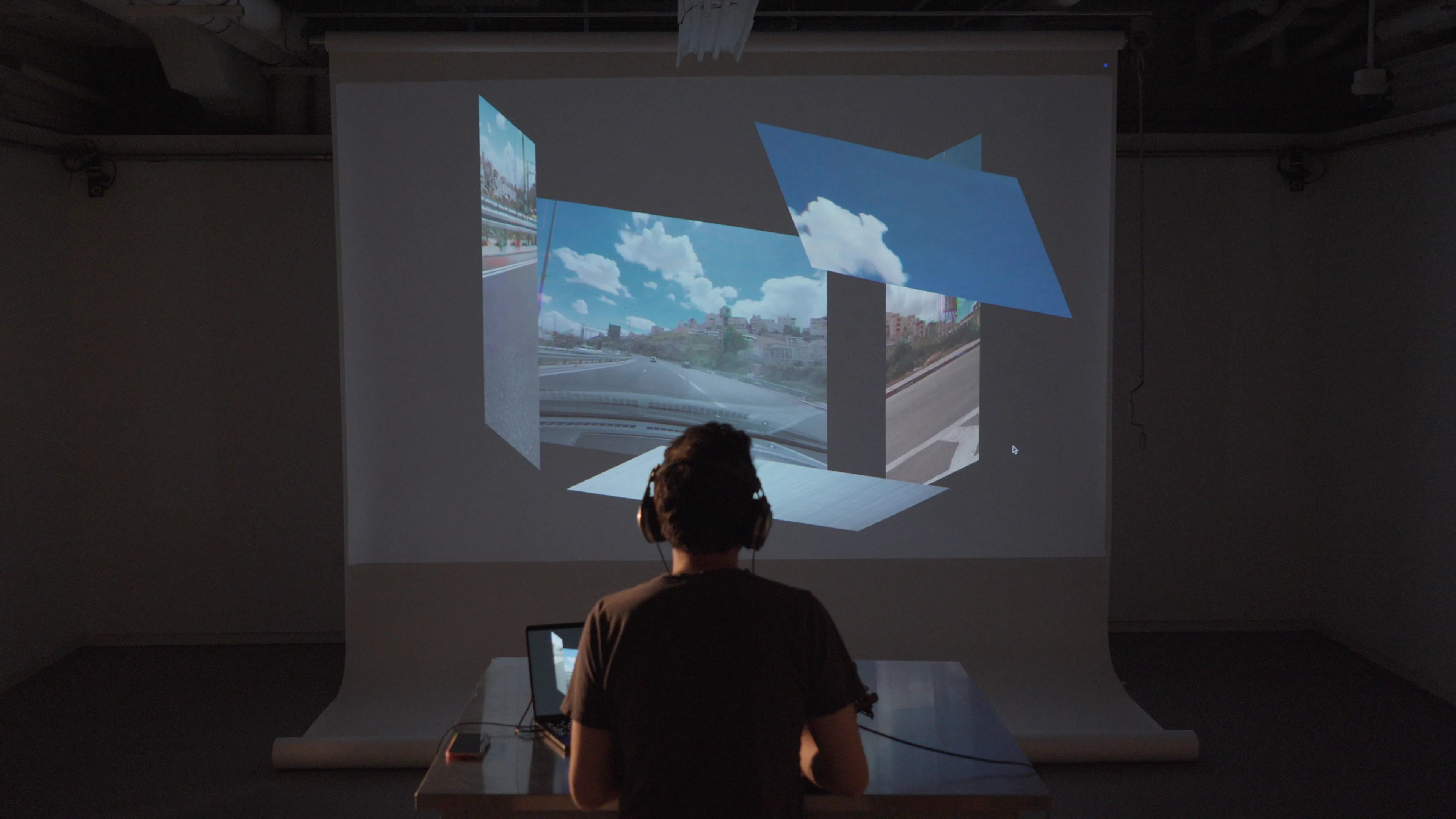
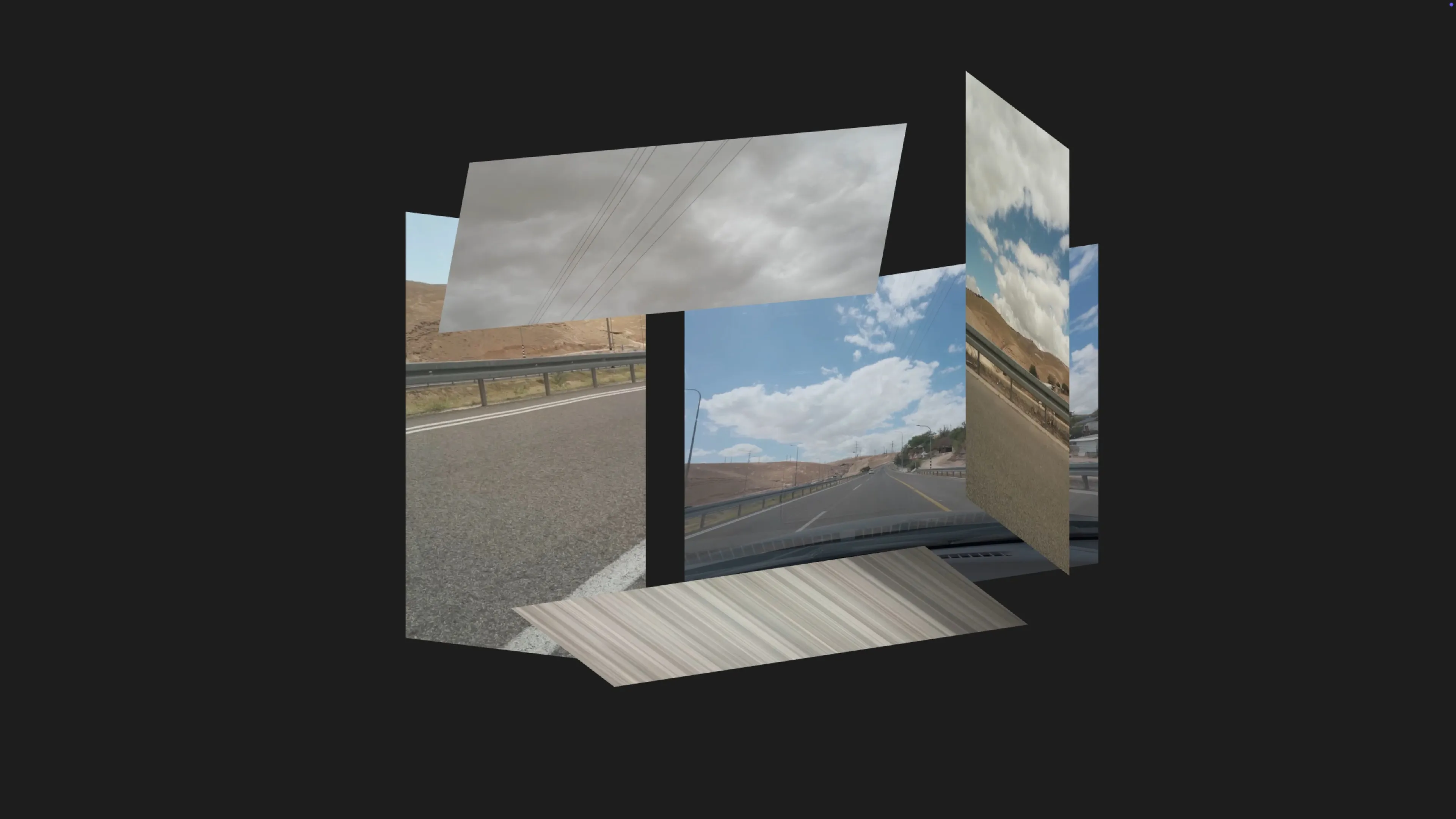
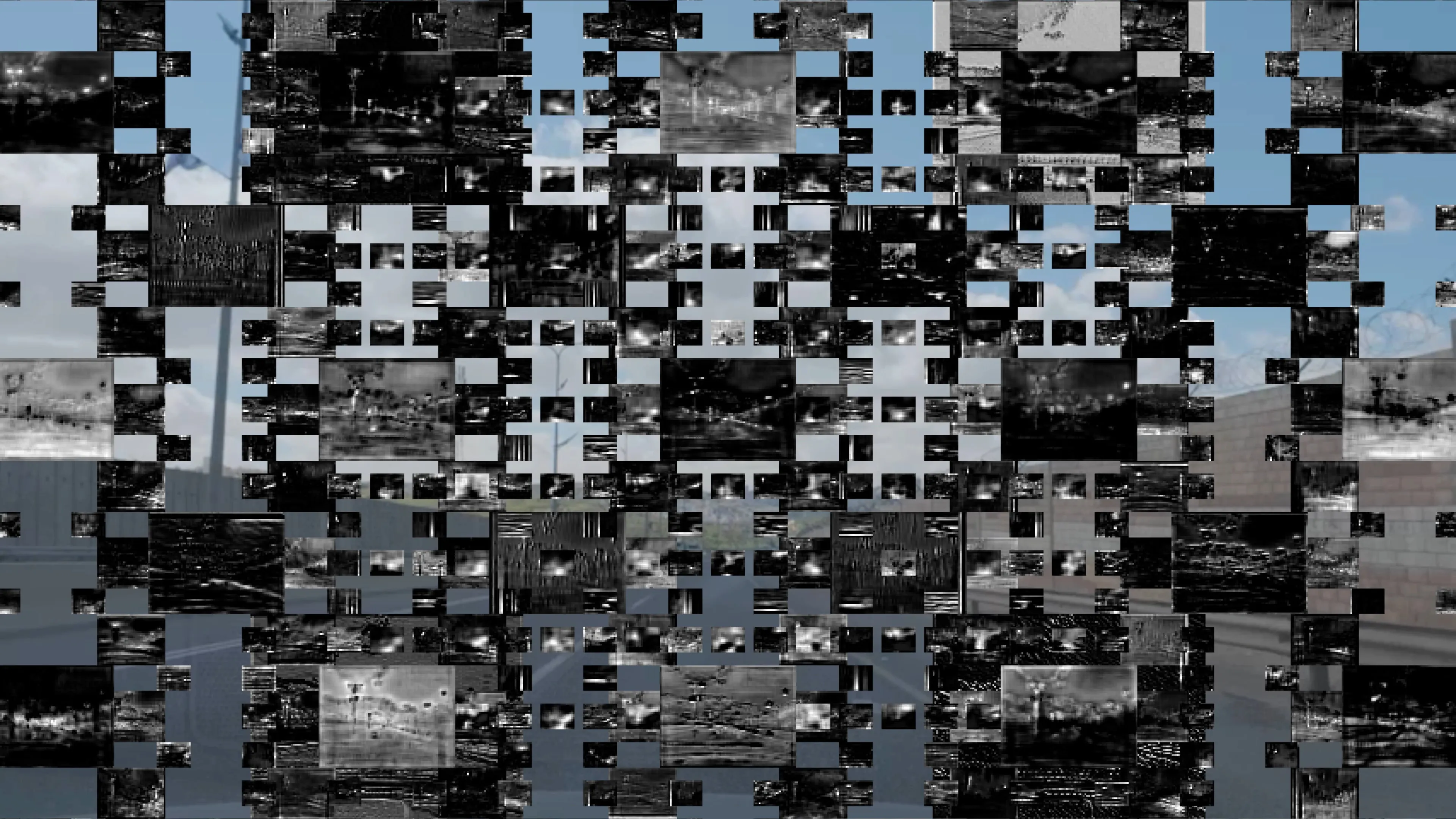
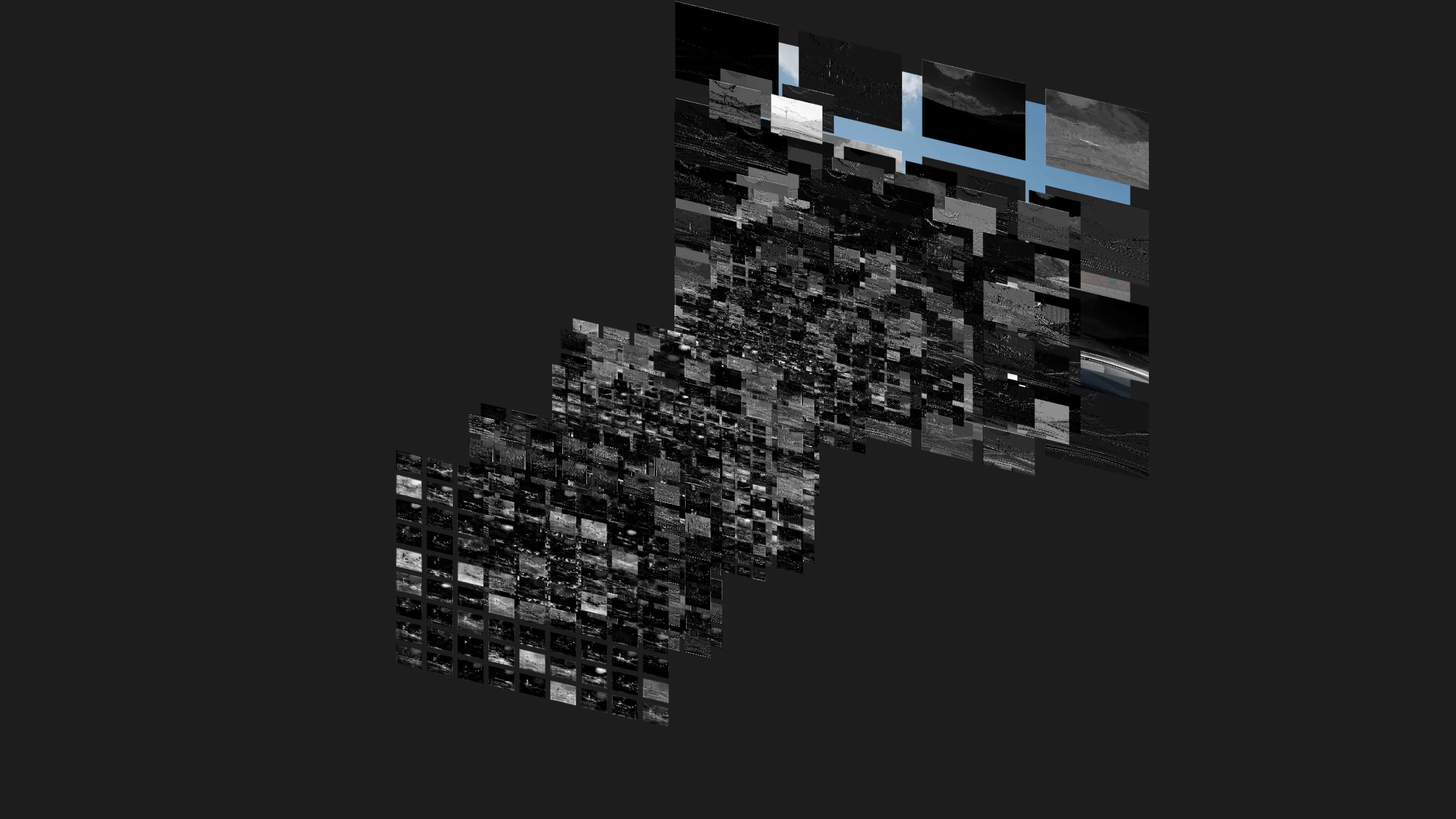
In ‘Can a Self-Driving Car Navigate an Apartheid Road?’ — an experimental video installation — the autonomous vehicle serves as both a technology of inquiry and a set of provocations on how state technological violence encodes and shape human movement and perception.
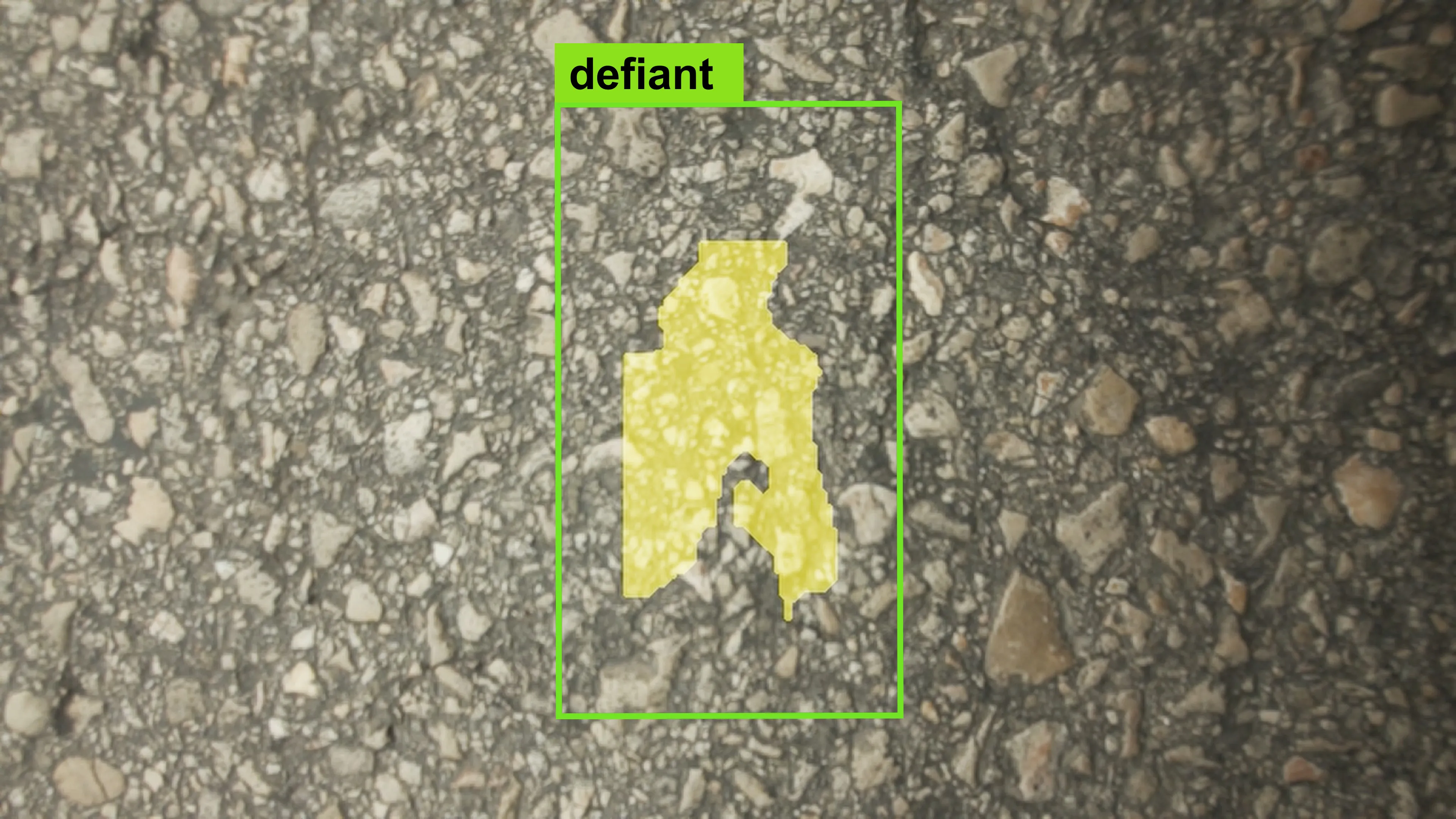
At the heart of this project is the idea of the autonomous vehicle as a traveling operational photographic machine—continuously capturing, processing, and acting upon images of its surroundings. As a photographer who has worked extensively in Israel/Palestine, I’ve always been conscious of how photography is a negotiation of my position in relation to my photographic subject—conceptually and physically. Similarly, the self-driving car’s primary function of ‘ego-localization’ is a process of self-positioning in relation to what photographs depict. This is just one in a series of algorithmic processes that I use as political parallels and resonances, including perception, attention, negotiation, decision-making, learning and un-learning, and the encoding of identity into technological systems. By building a custom array of vehicle-mounted cameras and sensors, I wish to capture what conventional autonomous systems miss, and to convey how each of these algorithmic concepts is deeply political, and reflect on the contexts of their creation. Finally, the work is an attempt to articulate a position of myself, as an implicated actor, within the wider project of colonization in which these systems are being developed and deployed.
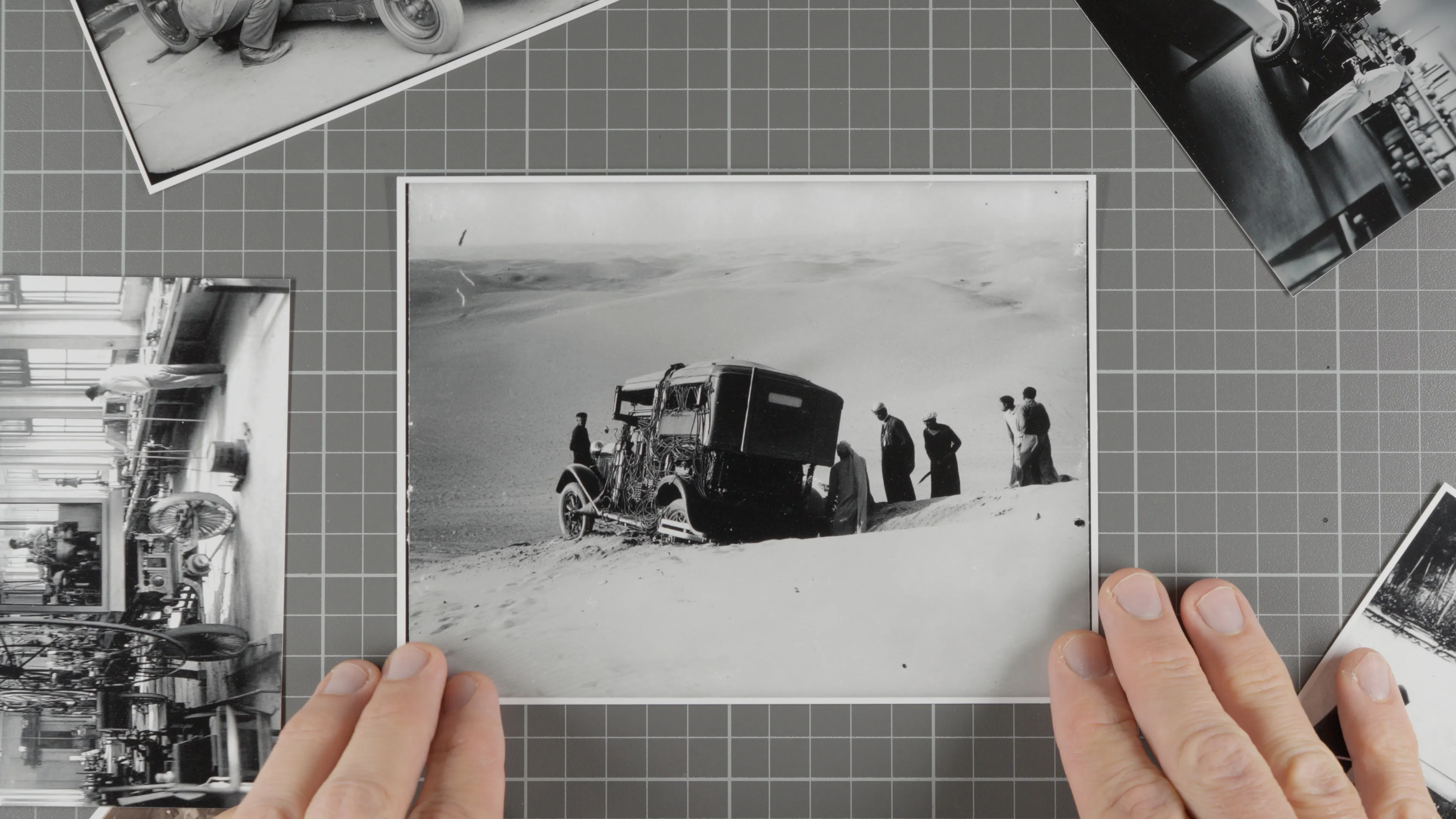
In this article, Noam Gal pays tribute to Allan Sekula’s essay “The Body and the Archive” (1986), analyzing the creative practice of two contemporary camera artists, Tomoko Sawada and Shabtai Pinchevsky, and the various social concerns their works evoke.
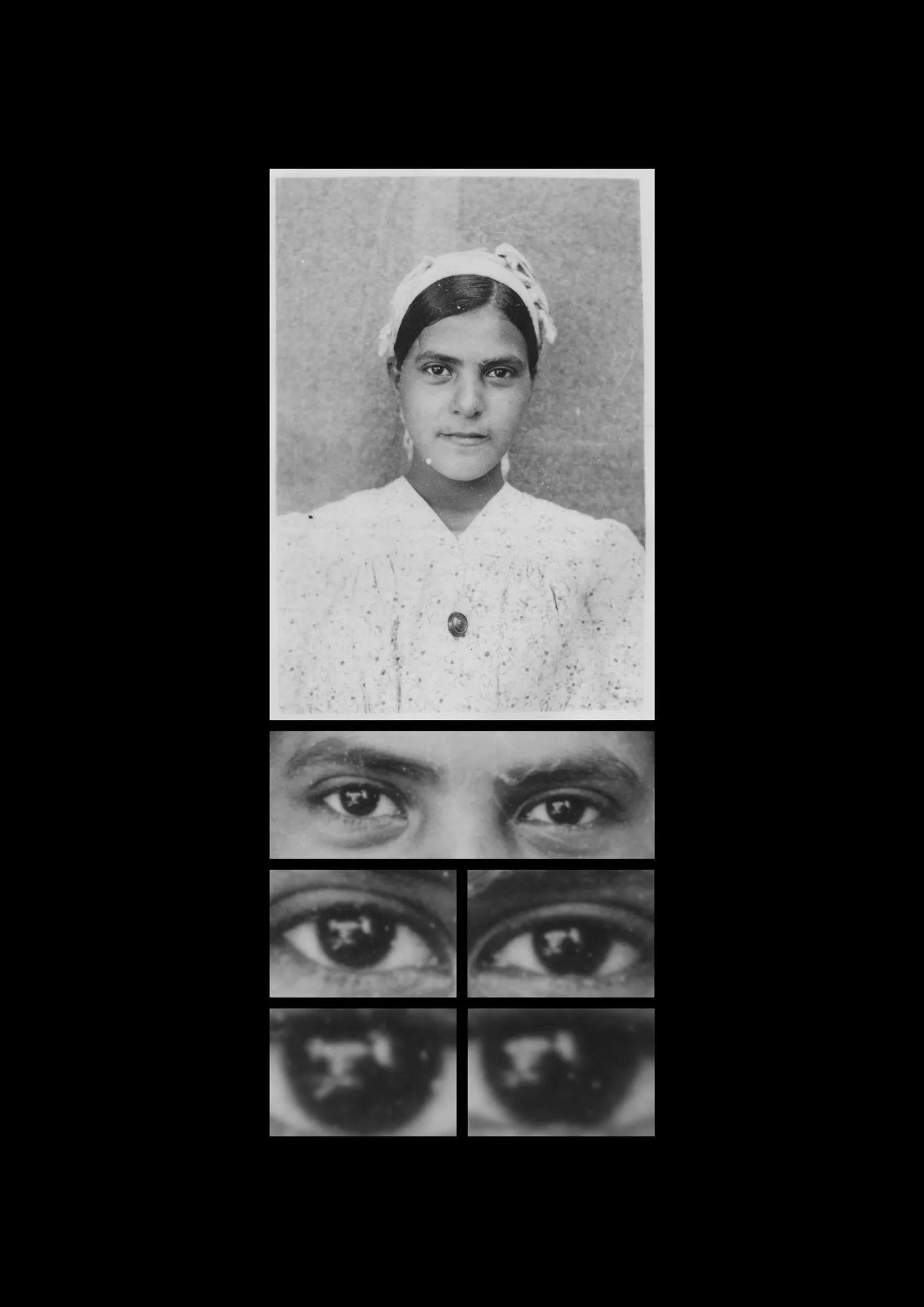
Can a Self-Driving Car Navigate an Apatheid Road will be screened at the Artport Artist Film Festival in Tel Aviv and Jerusalem.
The First Trail will be exhibited as part of Counter Landscape, curated by Karmit Galili, at Magasin III in Jaffa.