I'm a photographer and digital media artist whose practice examines the politics of image-making in contested geographies, particularly Israel/Palestine. I work across 3D modeling, mapping, drone photography, and archival research to examine photography's entanglements with colonial and territorial politics.
I'm an Assistant Professor of Photography at Parsons School of Design, The New School.
Selected
- An Abridged Draft for a Letter to Leila Khaled
- Anti Mapping
- On the Optics of Mount Scopus
- Perpetual Motion of the Fourth Kind
- Gas, Stun, Smoke
- How to Photograph in the Land of Israel
- From the Shoe Box
Interactive
Other Works
- If the Fire within Our Eyes
- Duplicating Palestine
- Jerusalem Military Remains
- The First Trail
- Landscape in Continuum
- The Gardener's Post
- Mabat 2000
- The Jefferson Grid
- Bezalel 1
- Point Cloud Lifta
- Stereoscopic Reconstructions
Teaching Tools
An Abridged Draft for a Letter to Leila Khaled
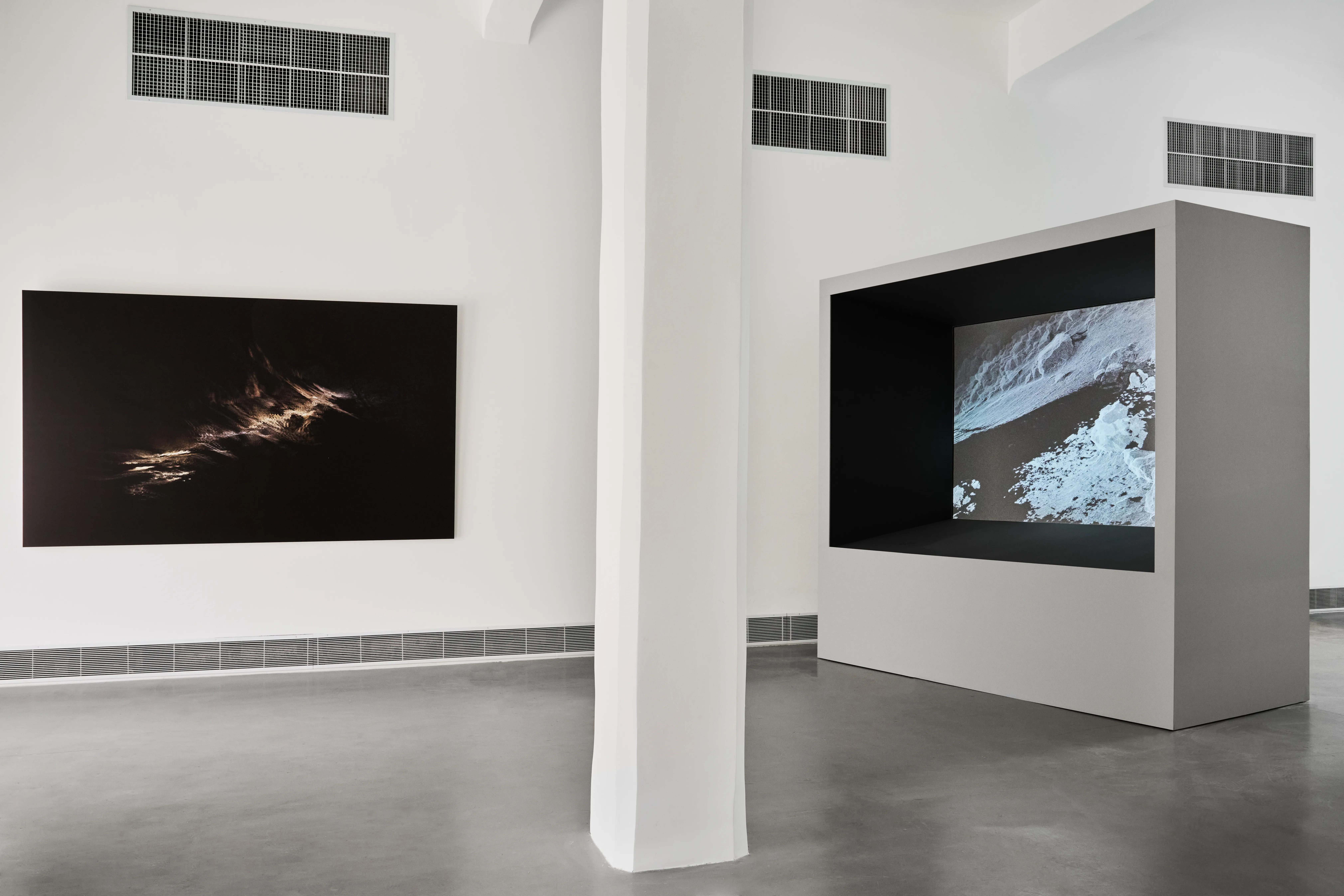
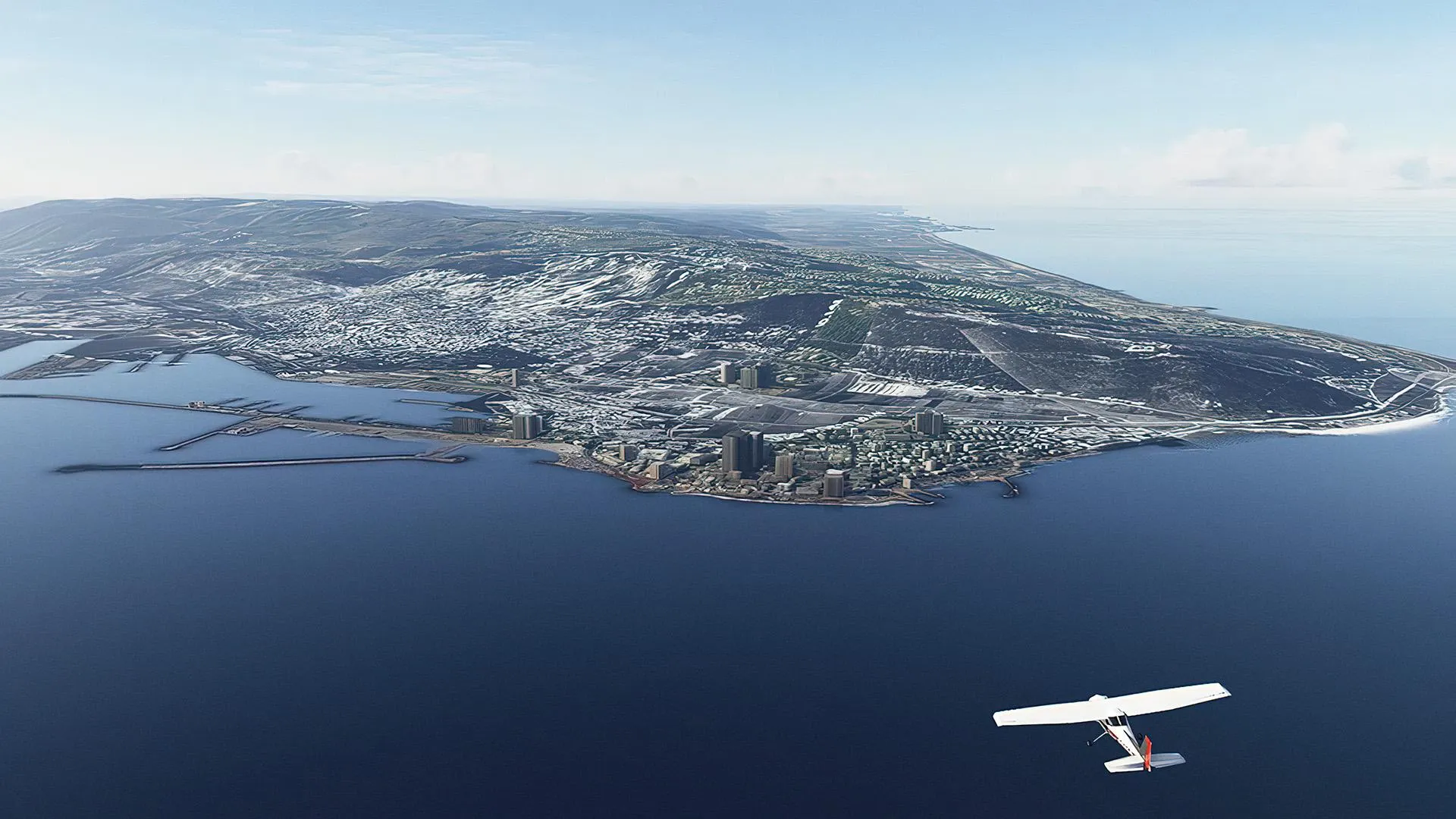
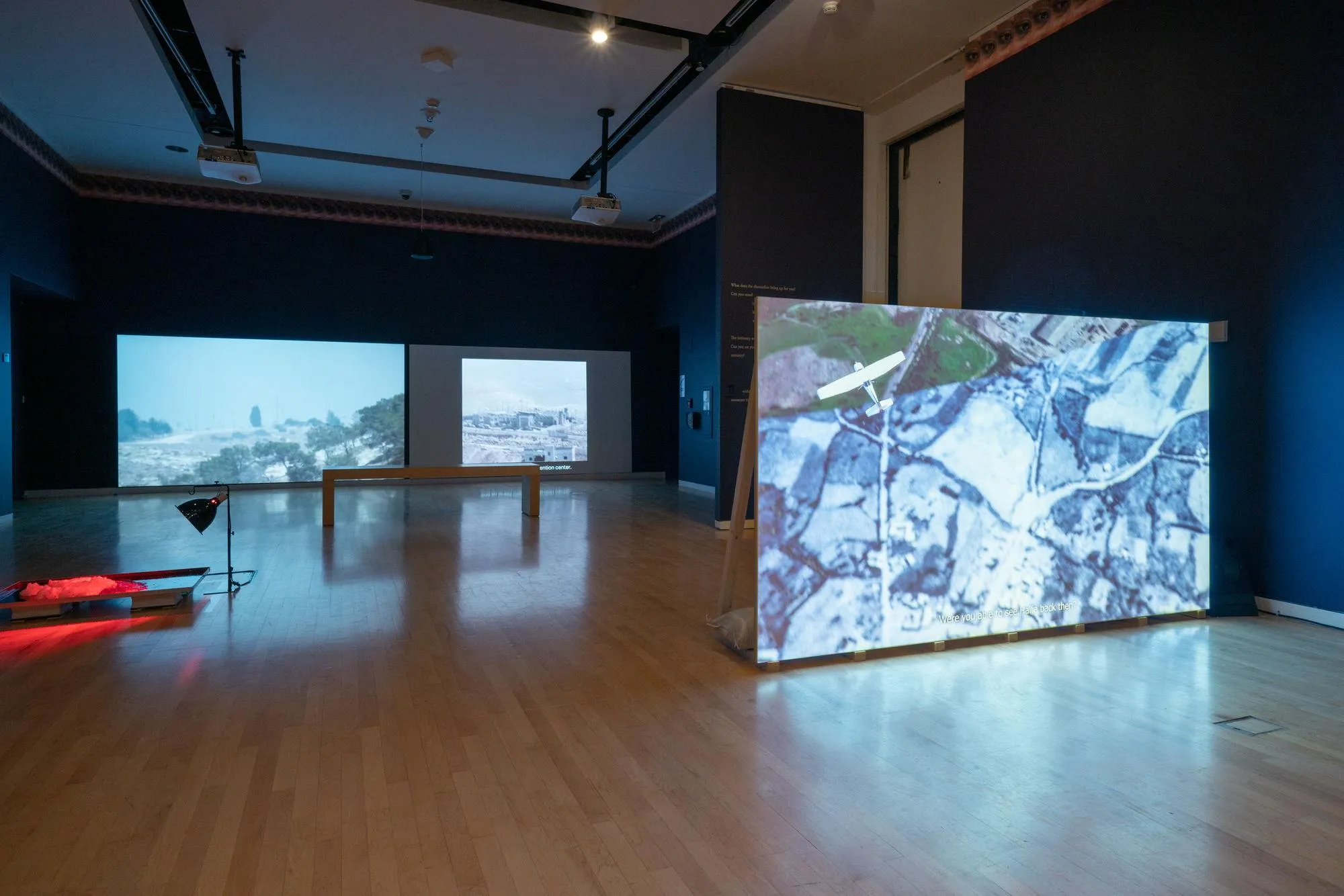
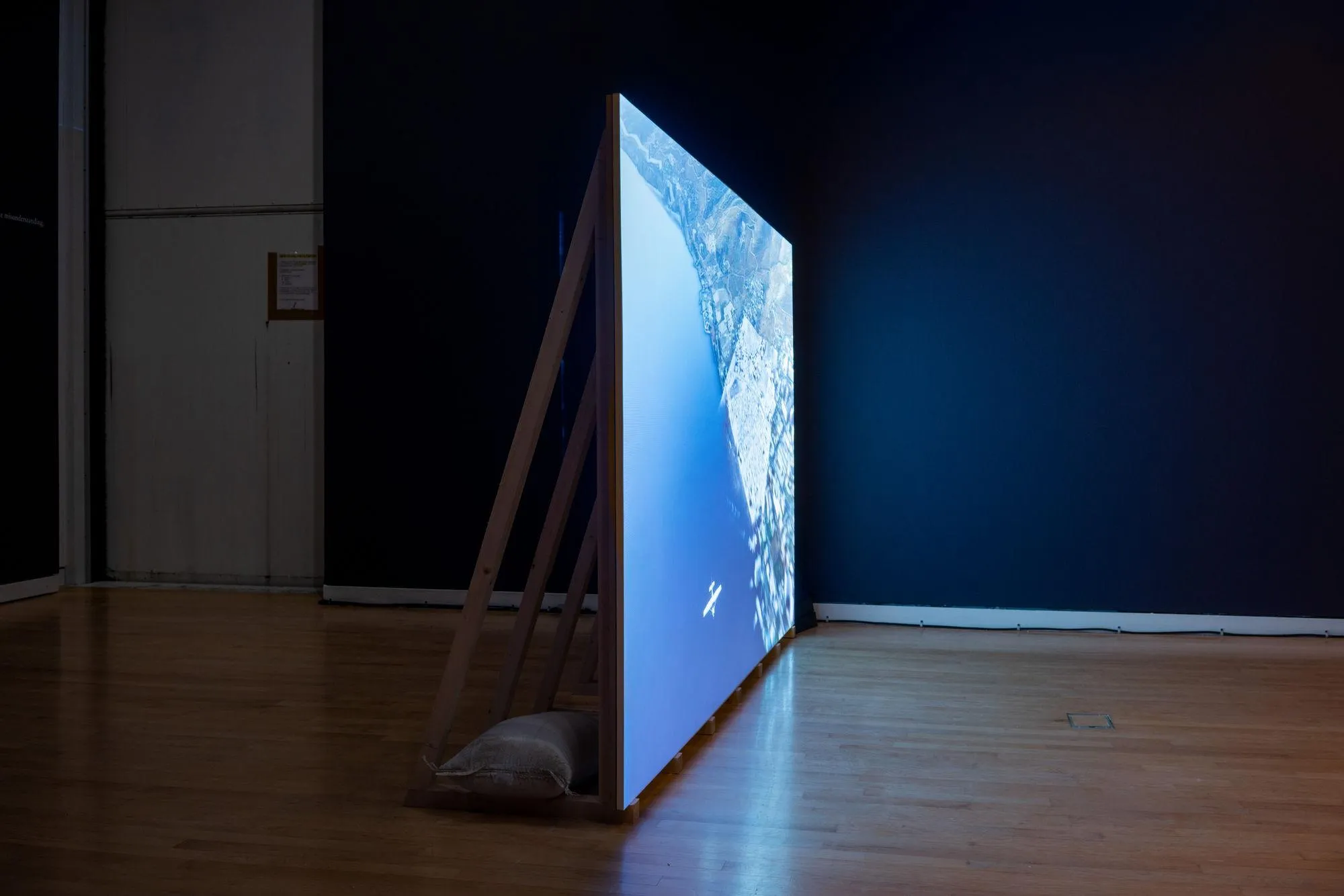
In An Abridged Draft for a Letter to Leila Khaled, a digital flight simulator is repurposed to reconstruct a historical landscape, and reconfigure the political relations embedded in the viewpoint of military aerial reconnaissance.
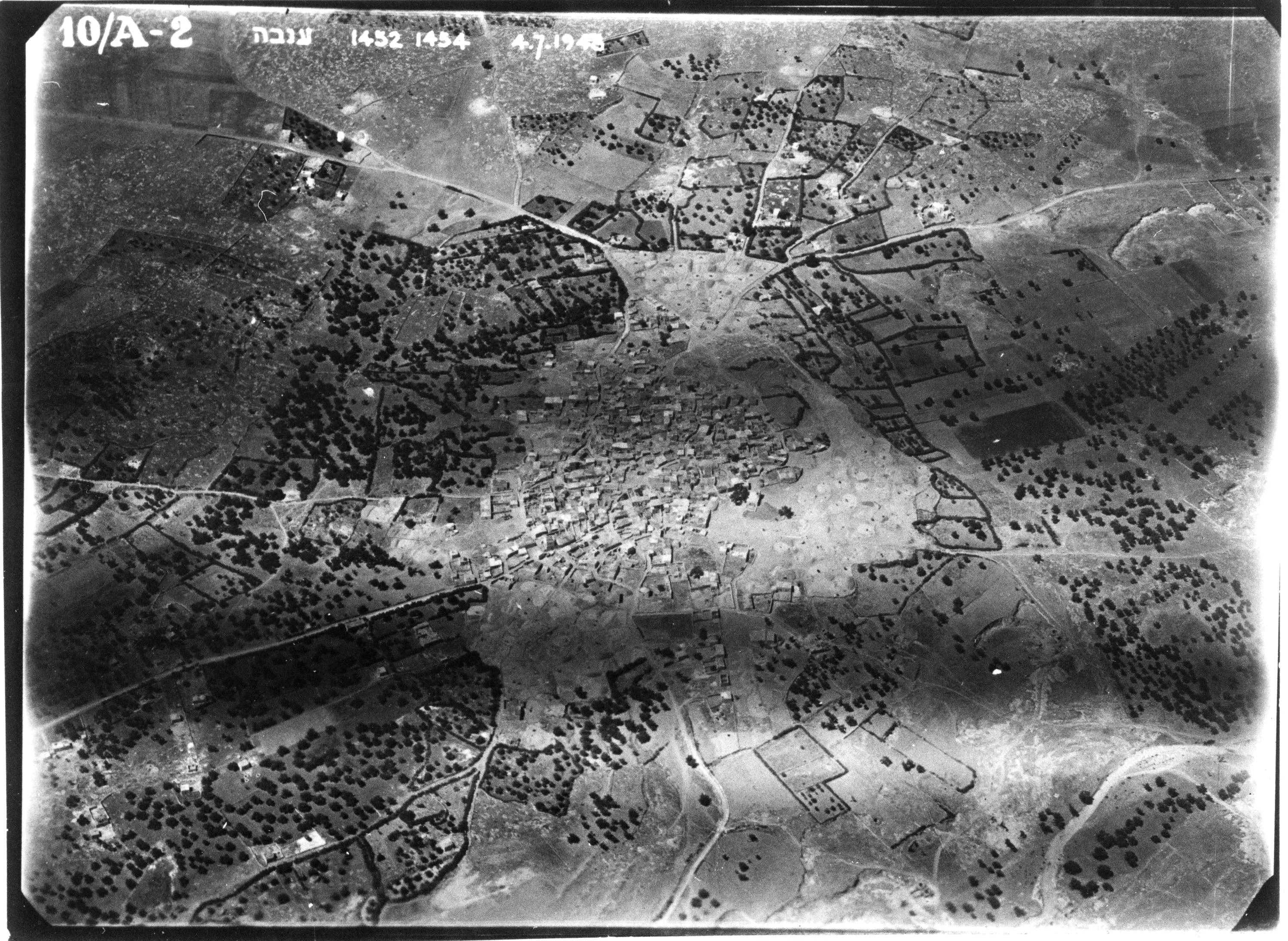
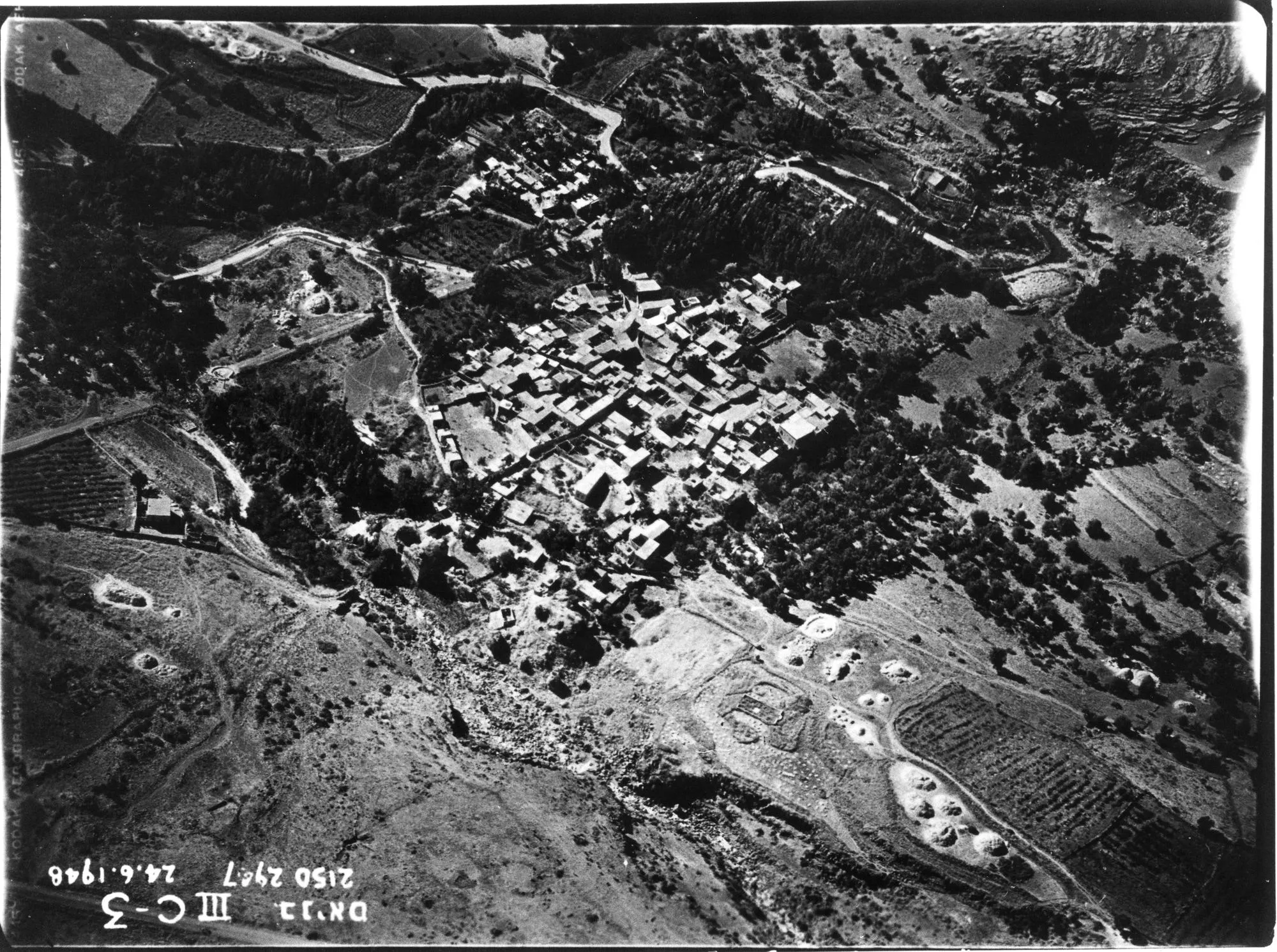
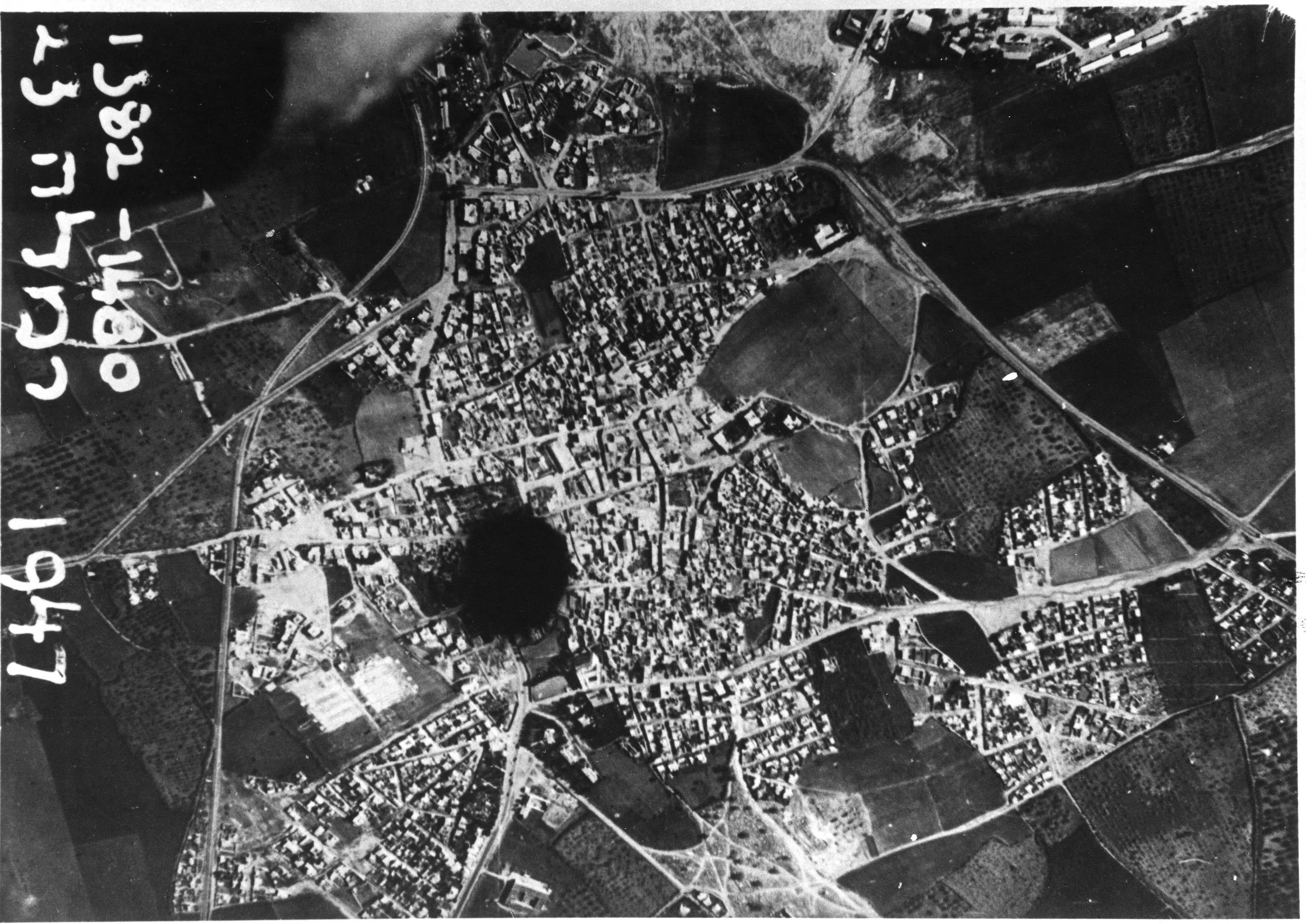
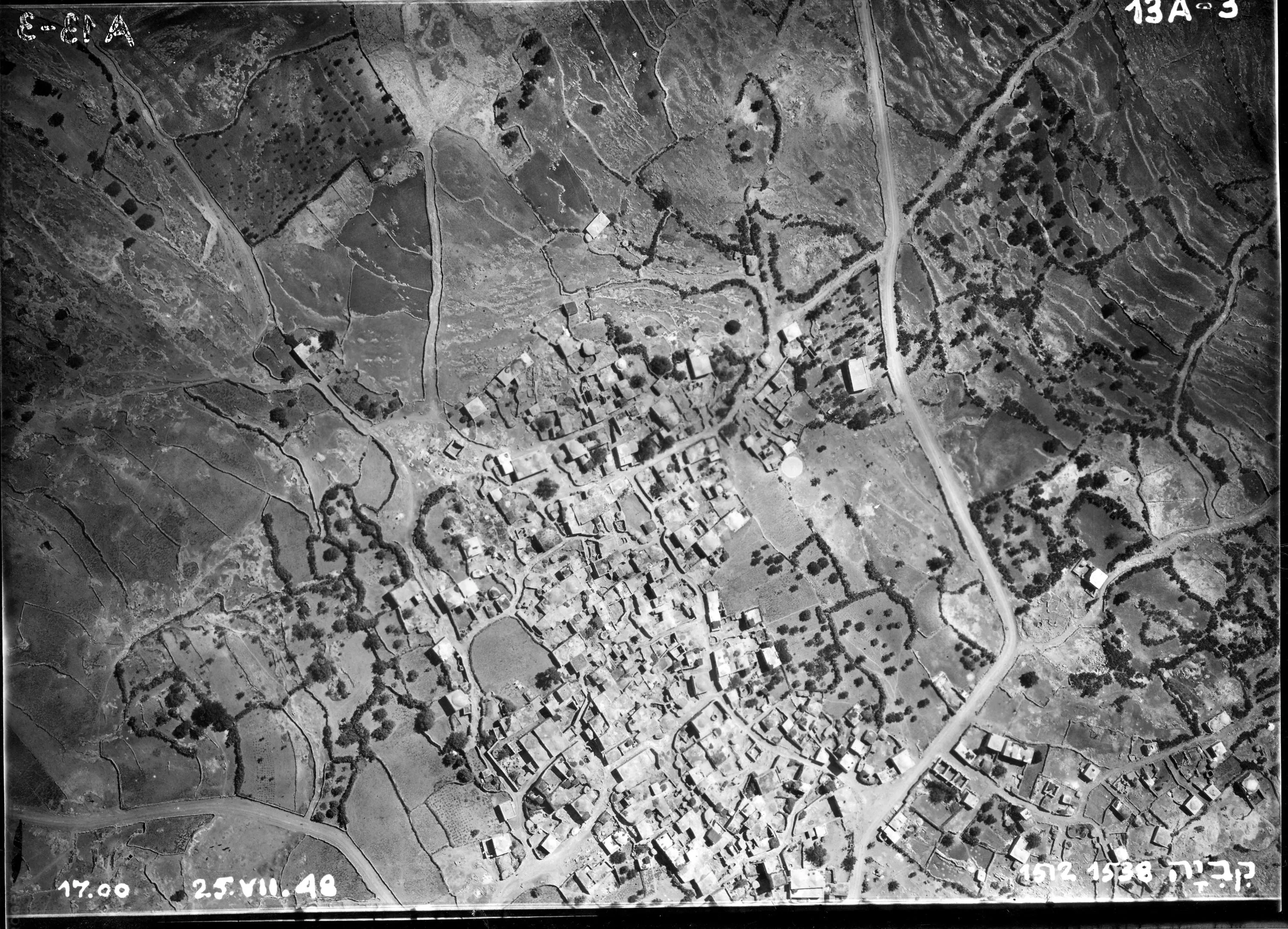
The Palmach Aerial Photographs Collection includes more than 600 images taken by the Palmach, a Zionist paramilitary organization, on the eve of the Palestinian Nakba (the forced displacement of Palestinians from their homeland, in 1947-49). While the collection was created in an aerial reconnaissance effort, today it provides a rare record of Palestinian landscape, depicted on the verge of its imminent erasure. The work uses a flight simulator video game to revisit the aerial viewpoint over a reconstructed landscape, by superimposing the historical collection over contemporary satellite and topographical data.
Through its narrated essay component, the work discusses the contradictory afterlife of a collection produced within a military project that sought to erase the very landscape it now documents. How does this erasure persist in contemporary archival practices and politics of access, and how can digital reconstruction move beyond the reproduction of previous political orders?
The work addresses Palestinian militant and activist Leila Khaled, inviting her to pilot a virtual flight tour over the collection and occupy the aerial viewpoint from which the landscape was surveyed. In doing so, it seeks to challenge the politics of verticality in Palestine — who is granted access to traverse territory, and who has the authority to reconstruct its representations.
I’m a photographer and digital media artist whose research-driven practice investigates the politics of image-making in contested geographies, particularly in Israel/Palestine. Working across 3D modeling, mapping, aerial photography, archival research, and computational media, I create augmented, site-specific representations that critically examine how photography not only contributed to the Zionist colonial projects but was fundamentally shaped by the tasks it lent itself to.
In this article, Noam Gal pays tribute to Allan Sekula’s essay “The Body and the Archive” (1986), analyzing the creative practice of two contemporary camera artists, Tomoko Sawada and Shabtai Pinchevsky, and the various social concerns their works evoke.
Can a Self-Driving Car Navigate an Apatheid Road will be screened at the Artport Artist Film Festival in Tel Aviv and Jerusalem.
The First Trail will be exhibited as part of Counter Landscape, curated by Karmit Galili, at Magasin III in Jaffa.